


This post is from the “archives”. I’ve been combing through some old writings in preparation for a project. I found this post I wrote back in 2012. Fun to revisit today in celebration of the Pagan holiday of Beltane - the halfway point between Equinox and Solstice.
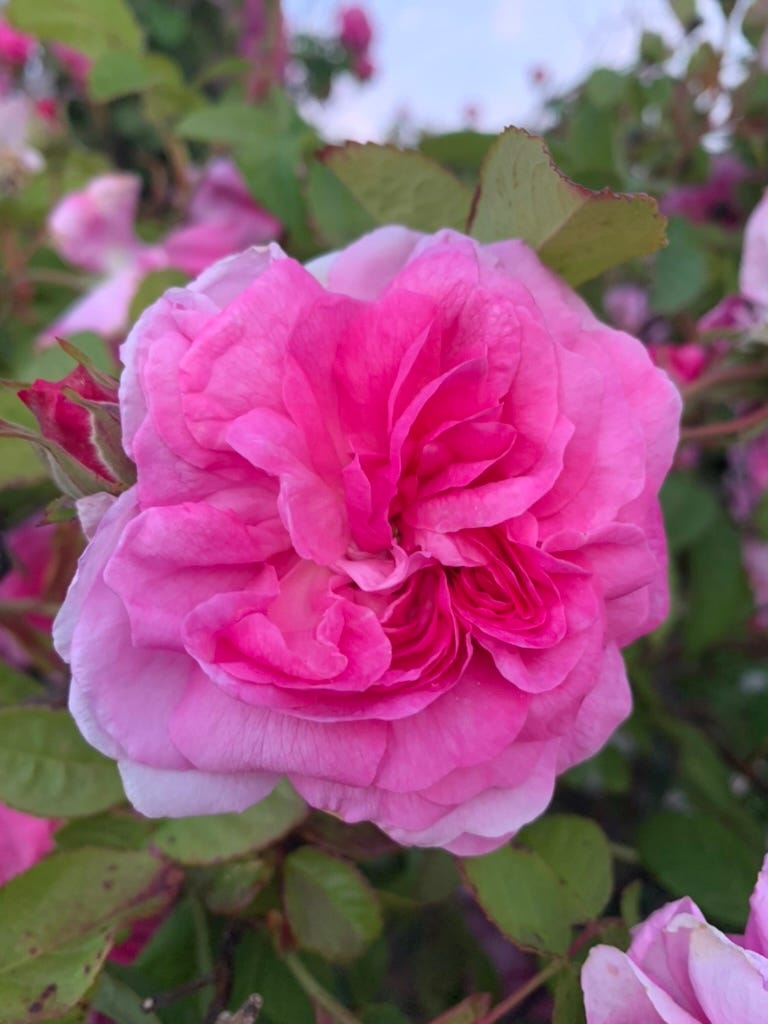
Last week I noticed the first deep pink rose unfurling its petals in our front garden. Mmmm! I paused in my hurried walk up the driveway to take a deep whiff.
Each evening the daylight lingers a few more minutes, ebbing into twilights that seem endless. New spring wildflowers are popping out each day along the trails, greeting me as I jog by.
All of this tells me — it’s almost Beltane!
What the heck is Beltane you ask? It’s the ancient Pagan/Celtic word for the celebration that occurs exactly halfway between spring equinox and summer solstice – and it’s happening right now, on May Day.
Every season has its beauty, its unique offering. But this peak of spring has always stood out as my absolute favorite time of year. The hope and promise of the brand new plants emerging from the fecund soil, new leaves unfurling by the hour, the softening temperatures, the lingering light.
This is a time of mornings moist with fresh, new flowers and rustling with the song of baby birds. The bite of the cold rains has left, but the cloying heat of summer has yet to settle.
Altogether, if you live in the Northern Hemisphere it’s hard not to love this season of May Day or Beltane.
What Is Beltane All About?
Back in the days when it wasn’t just an eco-groovy trend to grow your own food – when it was your only option – Beltane was the season of crop sowing. The earth had warmed and loosened enough to accept the seeds that would transform into nourishment for the entire clan.
But Mother Nature, being the fickle Goddess she is, would sometimes foil the best laid plans of vigilant farmers. Drought, rains, late frosts, blights – so many aberrations could come about to ruin the crops, causing the people to go hungry.
Beltane celebrations honored and paid tribute to the Gods and Goddesses of fertility, of plants and the Earth that nourishes.
Because it’s a celebration of fertility, of fecundity, of the sweetness of sex, the people honored the spirits by setting aside all sexual taboos for the evening. Springtime is mating season for many of nature’s creatures – and humans are not left out!
Fertile thoughts of love and romance dance on the wings of the dragonflies, in the blossoming flowers, in the impossible green of the rain-soaked blades of grass.
Beltane means it’s time to let go and have some fun! It might mean plunging your hands into the soil and planting some seeds or flower starts, or it could mean doing a happy dance on whatever plot of grass you can find.
Discover a piece of Nature this week if you can, and feel that spirit of new life surging through your own self.
Beltane Lore And History
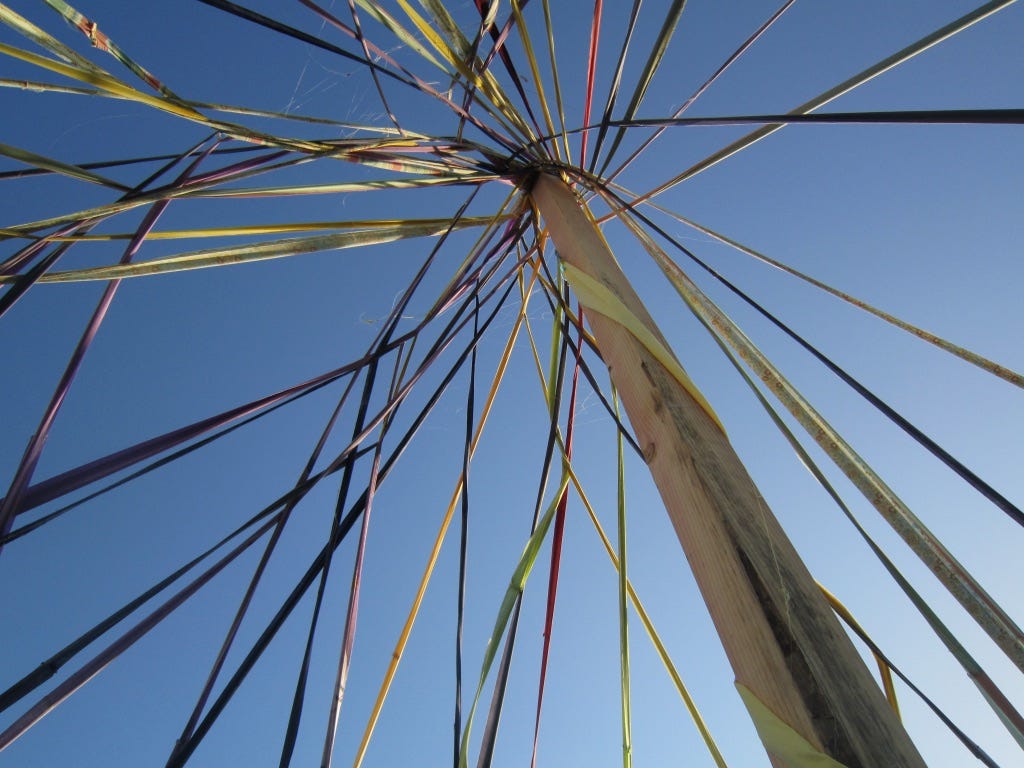
Many of us have fond memories of filling baskets with fresh flowers and leaving them on the neighbors’ door on the first day of May, or of dancing around a maypole adorned with brightly colored ribbons. These are ancient traditions of the Beltane holiday that have carried on to this day.
The spirit of Beltane can be conveyed by a child’s unrestrained expression of bliss — the sheer joy of running through fields, picking flowers, swallowing the sunlight, delighting in the fragrance of spring, dancing in the fresh dew-covered grass.
Beltane means “fire of Bel” or “bright fire” — the “bale-fire.” Bel or Beli was a Celtic Sun God, known as the bright and shining one, the father, protector, and husband of the Mother Goddess.
The Beltane festivities celebrated the sacred marriage between the god and the goddess, and welcomed the return of vitality and passion.
For the ancient Celts of the British Isles, Beltane was one of rapturous gaiety, joyfully heralding the arrival of summer. Fires were an important part of the festivities — giant ritual blazes were built to ensure that the warmth of the Sun’s light would continue to promote the fecundity of the earth.
Flowers are an essential symbol of Beltane. They not only signal the victory of Summer over Winter, but the blossoming of sensuality in all of nature and the bounty it will bring.
Although modern celebrations of May Day usually occur on May 1, in olden times Beltane began at sundown on April 30. As darkness fell on Beltane Eve, couples would slip away from the fire to spend the night together in the surrounding woods. Older married couples were allowed to remove their wedding rings for this one night. They would emerge in the dawn light, rumpled but happy, and bathe their faces in the first morning dew of May.
Women would braid flowers into their hair. Men and women alike would decorate their bodies to ready themselves for the dance around the maypole and the Beltane revelry.
The phallic maypole symbolized the interweaving of male and female energies to bring fertility to all unions. The pole was draped with ribbons and flowers, and the traditional circular dance alternated male and female dancers, weaving in and out in a maze movement, plaiting the ribbons as they went.
The dance became a spiral, with the men moving clockwise and the women moving counter-clockwise. In the end the ribbons wound tightly around the pole in a latticed pattern — and it was thought that the better the pattern, the better the harvest would be that fall.
This period between May 1st and Summer Solstice, and especially Beltane itself, has always been considered a time when it is easiest to spy the fairies frolicking in the woodlands and garden. It was common practice to leave food or a bowl of milk as an offering for the fairies on Beltane Eve.
Celebrate the magic of Beltane by bringing green branches and fresh flowers into your home. Go outside right now and find some!
Happy Spring!